
More glass. More view.
Large sliding panels can maximise glazed area and reduce the visual interruption of extra framing, giving the outlook more room to speak.
Sliding doors can turn a wall into an opening: expansive glazing, no swing arc and a panel that can remain open without a stay. Then the hidden hardware decides whether that promise feels effortless.
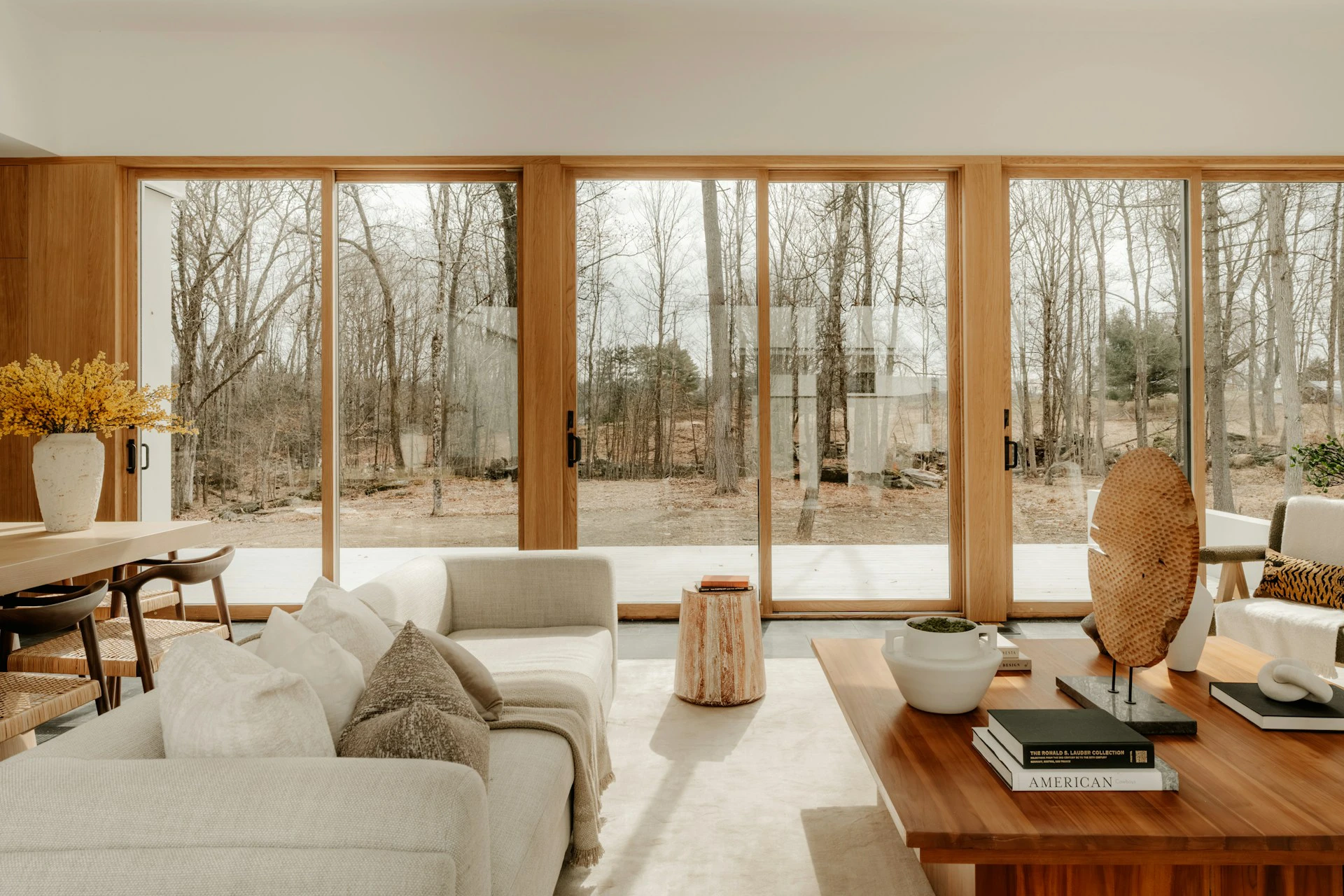
Sliding doors earn their place by doing more with the opening. The strongest results come from treating glass, frame, track, drainage, seals and hardware as one designed system.
Large sliding panels can maximise glazed area and reduce the visual interruption of extra framing, giving the outlook more room to speak.
The panel travels within its own plane, preserving usable floor area inside and out—particularly valuable at balconies, terraces and compact rooms.
A higher glass-to-frame ratio can bring whole-door performance closer to the selected glazing. The final result still depends on frame design, thermal breaks, seals and installation.
Broad panels and fewer opening joints can support excellent weather performance, provided the threshold, interlocks, seals and drainage are engineered for the exposure.
A sliding panel can sit at the chosen opening without a swing leaf occupying the room or needing a conventional hold-open device—ideal when people are moving freely between spaces.
Pocket and cavity systems can slide the panel into the building envelope, turning a doorway into a clear opening. That outcome needs early coordination for structure, waterproofing and service access.
Begin with the outcome people will feel, then connect it to practical product choices and a trusted professional who can deliver the complete door.
Operating force includes the effort needed to start the door and the force needed to keep it moving. Roller choice matters, but so do panel mass, seals, guides, track condition, alignment and installation.
Understand operating force ↓Noise comes from the complete wheel-and-track interface. Wheel material, guidance, track finish, cleanliness, panel construction and adjacent seals all influence what a person hears.
Understand acoustic behaviour ↓Expected life is not one universal number. Load per wheel, travel distance, cycle frequency, contamination, corrosion exposure, access and maintenance determine the relevant duty.
Understand service life ↓Choose the core MOR technology, wheel technology and—where known—the door system. The guided tool turns those decisions into a preliminary roller brief for CiiLOCK technical review.
Customise Your Roller ↗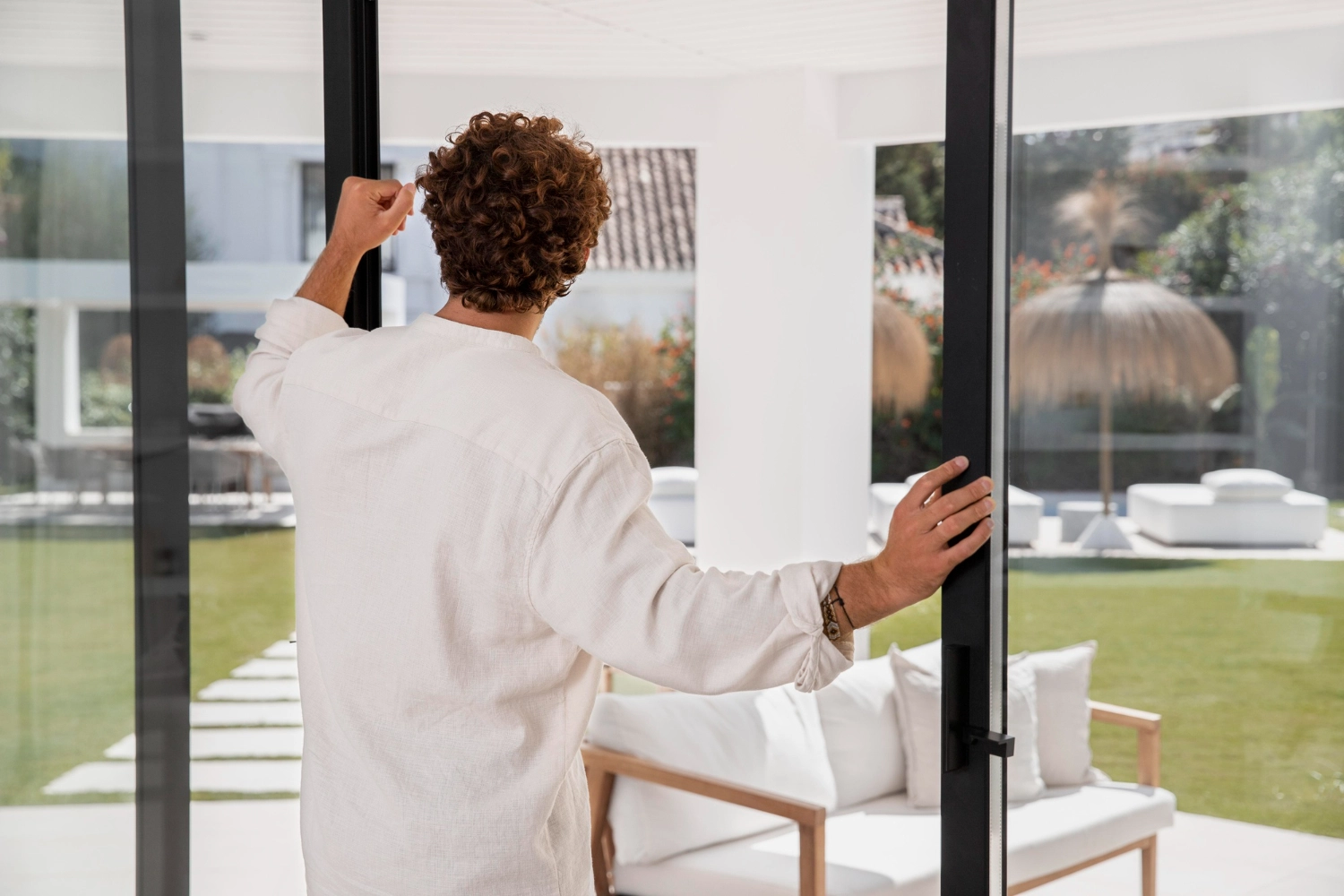
Users do not experience a door in kilograms. They experience it through the handle. Breakaway force is the initial effort required to overcome rest, seals and static resistance. Running force is the effort required once the panel is moving.
MOR's self-levelling intent is to keep useful wheels participating so load is not unnecessarily concentrated. On-ICE develops the wheel, bearing and geometry direction around lower resistance. Neither can correct a dragging seal, unsupported track or poor installation, so CiiLOCK reviews the full application.
There is no honest single noise promise for every sliding door. The panel can amplify vibration; hard wheel contact can transmit sound; debris and misalignment can turn a quiet design into a rough one.
Standard provides a balanced MOR starting point. Silent Steel uses a steel load-bearing core with polymer guidance at the flanks, separating load carrying from the contact that can create metallic noise and wear. The final choice still depends on track, load and environment.
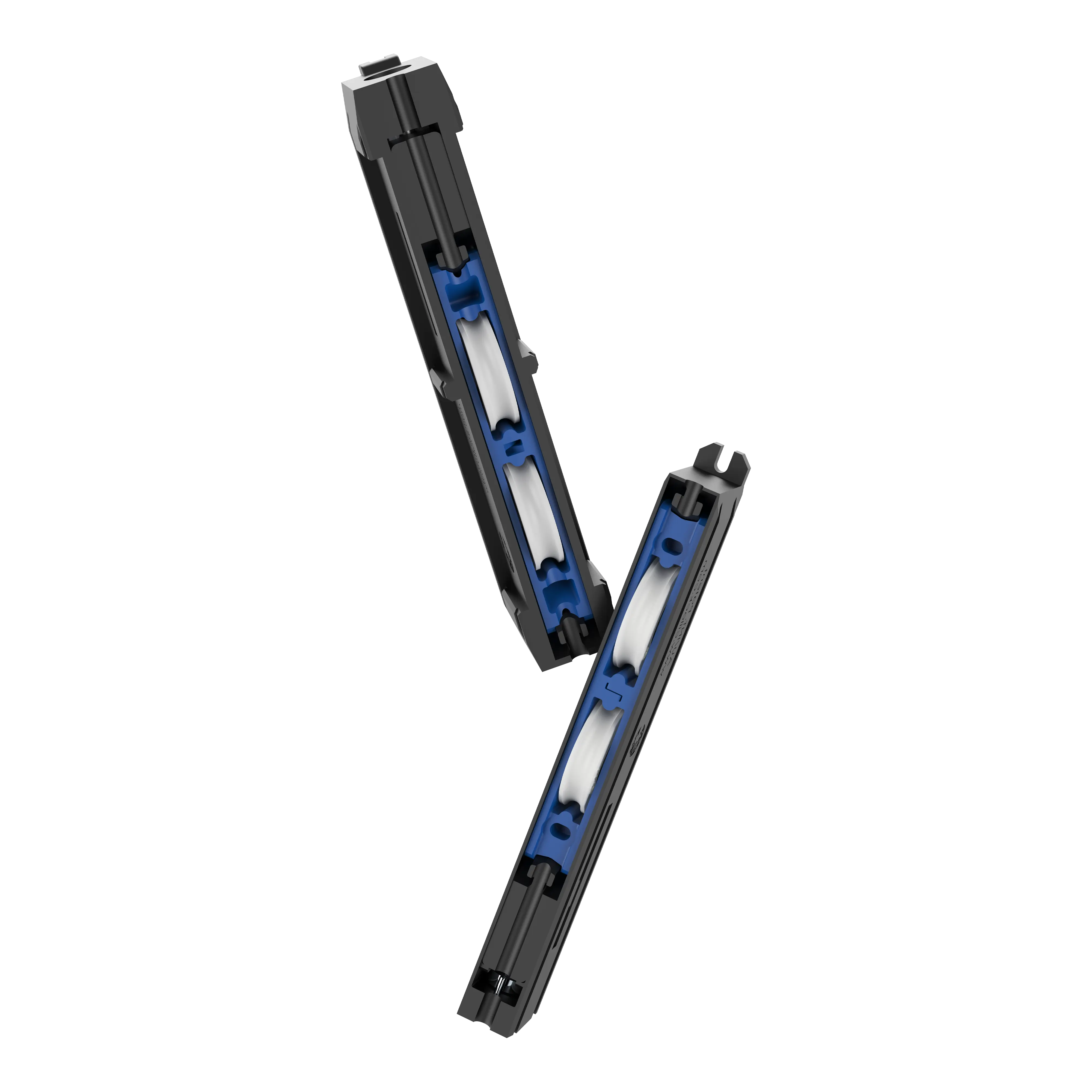
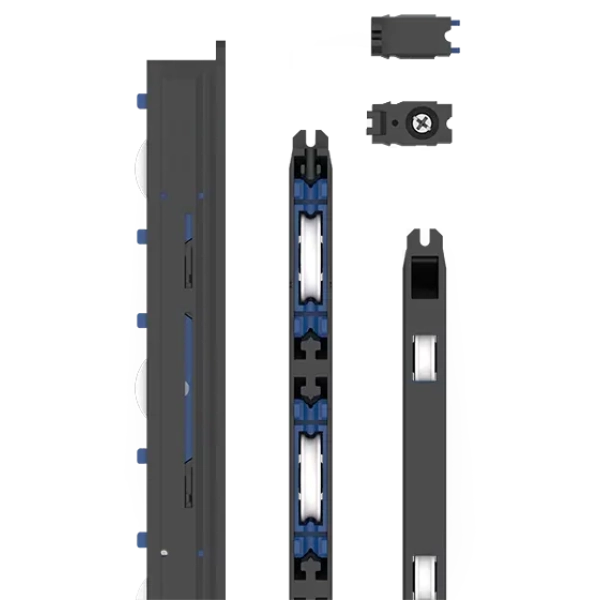
Life expectancy should be discussed in cycles and conditions, not as a vague promise. A rarely used residential opening, a coastal door and a high-traffic commercial panel impose different loads on bearings, tyres, tracks and finishes.
MOR's load-sharing principle aims to reduce concentrated wheel loads and uneven wear. The correct roller quantity, wheel technology, material and service access are then selected around the actual panel and environment. Ask CiiLOCK for the test basis and expected duty relevant to the proposed configuration.
Early collaboration keeps the roller, profile, track, seals and panel moving toward the same performance target.
Record panel size and mass, desired threshold, accessibility or operating-force target, acoustic intent, environment, expected cycles and maintenance access. Then use the selector to build a preliminary MOR direction before the profile is locked.
You do not need to specify a roller part number. Describe the opening you want, how often it will be used, who needs to move it and what quiet, low-effort operation means in your home.
A Motioneer is an authorised fabricator who can turn the hardware direction into a complete sliding-door system. Tell us your region and project type; we will help identify the right fabricator near you.
Useful questions for project meetings, homeowner conversations and search visitors comparing premium sliding-door systems.
Operating force depends on the complete door: panel mass, roller and bearing design, wheel quantity, track geometry, seals, guides, alignment and installation. MOR focuses on useful load sharing; the final force must be assessed for the whole system.
Not necessarily. Noise depends on where and how materials make contact. Silent Steel separates the steel load-bearing core from polymer guidance at the wheel flanks to manage a common source of metallic contact noise.
Expected life is configuration and duty dependent. Ask for the cycle basis, panel mass, environment and maintenance assumptions relevant to the proposed roller rather than relying on a single generic lifespan.
MOR is integrated into a complete door system. Contact CiiLOCK to discuss an authorised fabricator—a Motioneer—who can supply an appropriate sliding door with MOR inside.
Request the relevant catalogue and our team will follow up with the information for this technology and your market.
Request catalogue ↗